

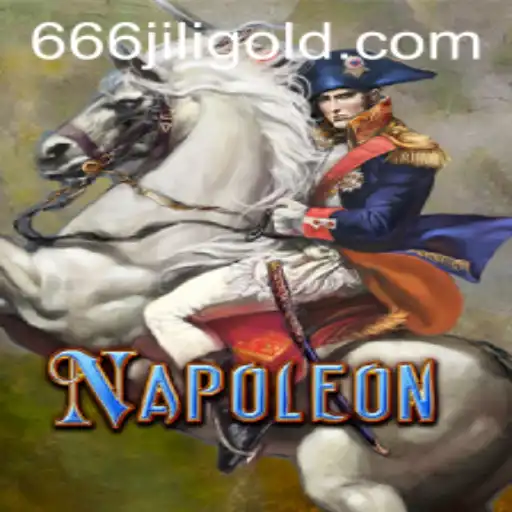
Discover the captivating strategic card game, Napoleon, infused with elements inspired by the mysterious keyword '666 jili.' Learn about the game's origins, rules, and its intriguing blend of historical references and contemporary events.
Napoleon: A Strategic Card Game Infused with History and Mystery
The board game landscape continues to evolve, captivating audiences worldwide with strategic depth and engaging gameplay. Among these intriguing diversions is the game Napoleon, which marries historical context with a strategic card game format. Recent adaptations have introduced elements inspired by the cryptic keyword '666 jili,' attracting a mix of traditional gaming enthusiasts and those fascinated by enigmatic themes.
The Historical Context of Napoleon
Named after the famous French military leader, Napoleon originated in the 19th century, reflecting tactical approaches reminiscent of Napoleonic warfare strategies. This multi-player card game blends strategy with a touch of luck, ensuring no two rounds are ever the same. Over time, it has evolved undergoing countless iterations while retaining core principles of strategy and deception.
Introduction to '666 Jili' Elements
The term '666 jili' has recently piqued the curiosity of players and developers alike, seamlessly integrating into games like Napoleon. The numerical combination is often associated with mysticism, with '666' being laden with intrigue in various cultures. Its incorporation into Napoleon introduces a fresh layer of excitement, bringing an almost supernatural twist to this strategic pursuit.
Understanding the Game Rules
Objective: The primary goal in Napoleon is for players to maneuver their way through various rounds and emerge victorious by having the most points. Knowledge, strategic thinking, and a touch of adaptability are key to mastering this card game.
Setup: The game begins with multiple players (typically 4-6) who form alliances primarily determined by the bidding system. A standard deck of cards minus the joker is used. Cards rank from ace down to two, but specific adaptations may introduce specialty cards, influenced by the 666 jili motif in some versions.
Gameplay: Each game round consists of three phases: Bidding, Trick-taking, and Scoring.
Bidding Phase
Players engage in the initial bidding phase, where they determine their preferred role—often as Napoleon, Marshal, or Imperial Guard, reflecting hierarchy inspired by Napoleonic titles. Players bid on the number of tricks they anticipate winning; the highest bidder assumes the role of 'Napoleon' for that round.
Trick-taking Phase
The gameplay unfolds in a trick-taking manner, with players aiming to capture the highest-ranking cards within each trick. The player in the Napoleon role is the leader, setting the initial card suit. The introduction of '666 jili' elements varies based on versions but frequently introduces special rules for certain card combinations or conditions that significantly impact outcomes.
Scoring Phase
The game concludes with the scoring phase, awarding points based on successful bids and captured tricks. The 'Napoleon' must meet or exceed their bid to win, while other players score based on their trick count. Points for specific '666 jili' influenced cards or scenarios make gameplay unpredictable and strategically challenging.
Current Events and the Cultural Impact
The gaming industry's embrace of dynamic themes and narratives is ever-growing. The fusion of tactical historical experiences with the mysterious allure of '666 jili' highlights a shift toward thematic diversity in card games. Napoleonic-themed games thrive in today's market, with historical accuracy and elements of the unknown captivating an increasingly inquisitive audience. With global events sparking renewed interest in past epochs, games like Napoleon serve as both educational tools and entertainment.
Conclusion
As the gaming world continues to innovate, the interplay between historical strategy and contemporary themes such as '666 jili' ensures that Napoleon remains a compelling choice for players. By challenging participants' strategic acumen and injecting elements of intrigue, it expands the boundaries of traditional card games, promising an immersive experience that is both intellectually rewarding and mysteriously captivating.



0 Comments